

From Desk to Gym: Supplements That Keep Up With Your Day
From early meetings to evening workouts, your body needs the right fuel to keep up. Here’s how magnesium, omega-3s, CoQ10, and electrolytes help you stay energised, perform better, and recover faster – without overcomplicating your routine.
Adulting All Day, Training All Night: Supplements That Keep You Going
The modern workday doesn’t really end when you clock out. For many of us, the schedule goes something like this. Eight hours (or more) at a desk, a quick change, and then straight to the gym, the track, or the sports field. It’s a lifestyle that’s as rewarding as it is demanding, and it calls for more than just willpower. Your body needs to be fuelled in a way that matches your pace, sharp enough for the mental demands of work and strong enough for the physical push of training.
That’s where the right supplements can make all the difference. We’re not talking about overhyped “miracle” powders here, but targeted nutritional support that keeps your energy steady, your focus sharp, and your recovery quick.

The Midday Energy Dip Problem
It’s common, the dreaded 3 p.m. slump. You’ve been in meetings, answering emails, and staring at screens for hours. Your brain feels fuzzy, your body’s sluggish, and yet you’ve got a workout planned in just a couple of hours.
This is where smart nutrition comes in. If lunch was a carb-heavy takeaway or a quick sandwich at your desk, your blood sugar may have spiked and crashed. By the time you’re due to train, you’re running on fumes.
Vitality tip: Pair your lunch with some protein and healthy fats to slow digestion and keep energy steady. And consider a supplement like B vitamins to support energy metabolism and mental clarity, both essential when you’re going from spreadsheets to squats.

Magnesium – The Active Person’s Secret Weapon
If you’re fitting a workout into your already-packed day, magnesium is one supplement you shouldn’t skip. It’s involved in over 300 processes in your body, many of them linked directly to performance, muscle contraction and relaxation, energy production, and even managing stress.
When you’re stressed (mentally from work or physically from training), magnesium gets used up faster. Add in sweating during your workout, and you’ve got a recipe for low levels. The result? Muscle cramps, fatigue, and slower recovery.
Why it matters for desk-to-gym lifestyles:
- Keeps muscles firing smoothly, preventing mid-workout cramps
- Supports nervous system balance, reducing tension from a busy day
- Helps convert food into usable energy for your training session
- Aids in better sleep, so you bounce back faster for the next day
If you’re choosing a magnesium supplement, magnesium glycinate or citrate are both well absorbed and gentle on digestion.

Hydration – Your Overlooked Power-Up
For a lot of us, the workday drinks roster looks something like this, coffee when you get in, another coffee mid-morning, maybe a fizzy drink or tea after lunch, and if you’re lucky, a glass of water somewhere in between. The problem is, while those beverages might keep you feeling alert in the moment, they don’t always keep you properly hydrated. In fact, caffeine can have a mild diuretic effect, meaning you could actually be losing more fluid than you’re taking in.
Dehydration doesn’t just show up as thirst. It can sneak in as that slow, heavy-headed fatigue you get mid-afternoon, or the way your concentration slips even though you’ve still got hours left to push through. It can make your muscles feel heavier, your coordination slightly off, and your mood a bit shorter than usual – not exactly the ideal setup for hitting the gym after work.
By the time you change into your workout gear, even mild dehydration can start chipping away at your performance. Studies show that losing as little as 2% of your body’s fluid can impact endurance, reduce strength output, and slow reaction times. That’s the difference between a sharp, energised session and one where you feel like you’re training in slow motion.
The fix is simple but requires consistency, keep a water bottle within reach all day and sip steadily rather than chugging large amounts all at once. If plain water feels boring, infuse it with lemon, cucumber, or berries for a bit of flavour without adding sugar. Herbal teas count toward your fluid intake too, so they’re a good option for cooler days when you’re less likely to feel naturally thirsty.
On training days, especially if you’re sweating heavily or it’s a warm environment, plain water might not be enough. That’s where an electrolyte mix comes in handy. Look for one with magnesium, potassium, and sodium to help your body replace what you lose through sweat and to support muscle function. Go easy on added sugars, a light, clean formula will rehydrate you without causing a sugar crash later.
The Perfect Transition Snack
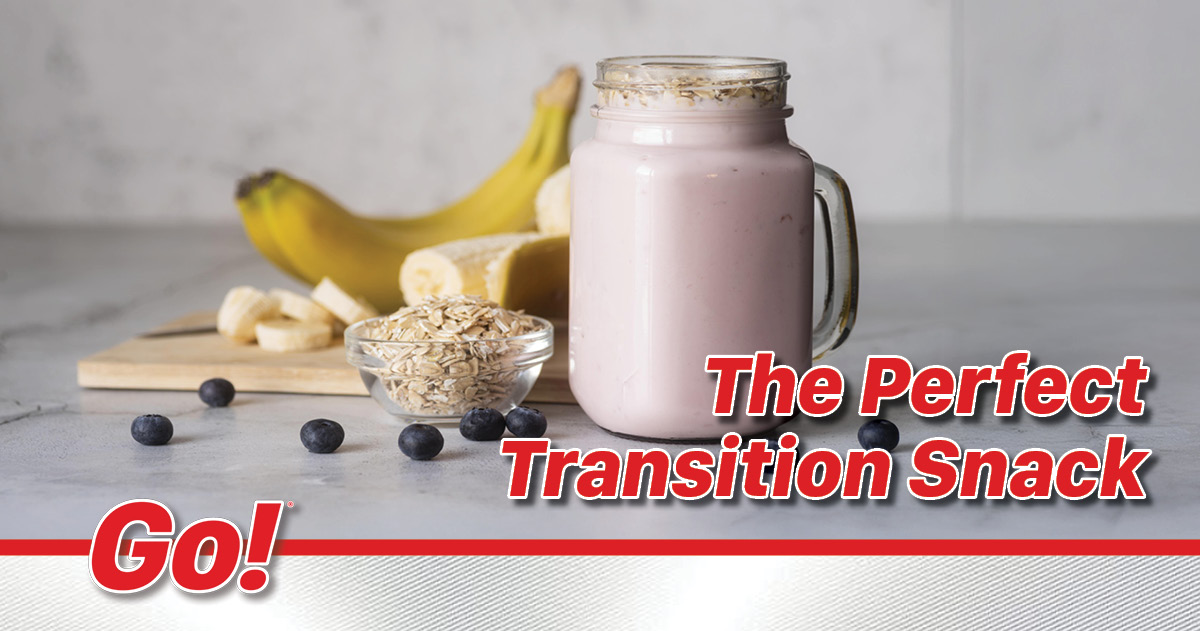
That awkward gap between shutting down your laptop and lacing up your trainers is prime fuelling time. It’s short enough that you don’t want a full meal, but long enough that skipping food completely can leave you running on empty halfway through your workout. The trick is finding something light, energising, and easy to digest, enough to give you a steady lift without weighing you down.
The ideal pre-workout snack should do three things:
- Top up your glycogen stores so your muscles have readily available energy.
- Provide a bit of protein to help with muscle repair and reduce breakdown during training.
- Be quick to prepare and eat so you can grab it and go without derailing your schedule.
Great options include:
- Greek yogurt with berries and a sprinkle of nuts – a balanced hit of protein, antioxidants, and healthy fats that won’t leave you feeling sluggish.
- A banana with a spoon of peanut butter – quick carbs for energy and a touch of fat and protein to keep you feeling steady until the end of your session.
- A small protein shake with added magnesium powder if needed, perfect if you’re heading straight from the office to the gym and need something portable and quick to digest.
If your workouts are especially intense, you can also experiment with adding a few oats to your shake for extra slow-release carbs, or a small drizzle of honey on your banana for a faster energy kick. And remember, the closer you are to your workout, the smaller and simpler your snack should be, nobody enjoys doing burpees with a heavy stomach.

The Recovery Window Matters
Your workout doesn’t end when you rack the last weight or step off the treadmill – what you do in the hour afterwards can have just as much impact on your results as the training itself. This is what’s known as the “recovery window,” a period when your muscles are especially receptive to the nutrients they need to repair, rebuild, and get stronger.
During exercise, your muscle fibres experience tiny tears, and your body burns through glycogen, the stored form of carbohydrates your muscles use for fuel. In the first 30 to 60 minutes after training, your muscles act like sponges, ready to absorb the protein needed for repair and the carbs needed to replenish glycogen. This window is your prime opportunity to speed up recovery, reduce soreness, and prepare your body for the next training session.
The ideal post-workout meal or snack combines high-quality protein with fast-digesting carbs. The protein supplies the amino acids your muscles use for rebuilding, while the carbs help restock energy reserves and even aid protein absorption.
Practical options include:
- Grilled chicken with sweet potato
- Tuna and wholegrain crackers
- A smoothie with whey protein, banana, and almond milk
- Peanut butter on wholegrain toast with a small side of fruit
If eating a full meal after training feels unappealing, which is common after intense workouts – a whey or plant-based protein shake can be a quick, convenient solution. Adding magnesium powder to your shake not only supports muscle repair but also helps restore electrolyte balance, reducing the risk of cramps and aiding relaxation for better sleep.
Getting your recovery nutrition right consistently can mean less soreness, faster progress, and more energy for your next session, all without feeling like you’re dragging yourself back into training half-recovered.

Keep It Simple, Keep It Consistent
Balancing a desk job with an active training schedule isn’t about chasing the latest “superfood” making the rounds on social media or filling your cupboard with every powder and pill you see advertised. It’s about giving your body what it truly needs, exactly when it needs it, so it can keep showing up for you in both work and workout mode.
Supplements like magnesium and electrolytes aren’t meant to replace a balanced diet, they’re your backup crew. They step in to fill the small but important gaps that busy schedules, skipped meals, and long days can leave behind. Think of them as the support team that keeps your energy levels steady, your muscles recovering well, and your focus sharp from the first email of the day to the last rep of your workout.
The key is consistency. One perfect day of eating and supplementing won’t carry you through a week of erratic habits. Instead, aim for a steady routine that’s easy to stick with, a bottle of water on your desk, a pre-packed snack in your bag, supplements lined up where you’ll actually remember to take them. Small, repeatable actions add up far faster than big, complicated changes you can’t sustain.
And here’s the thing, if your lifestyle demands that you perform in two completely different arenas every single day, your nutrition should be just as adaptable. Fuel your mind when you need focus, support your body when you need strength, and give yourself the right tools to recover so you can do it all again tomorrow. That’s not trend-following, that’s smart living.
Recent posts
From Desk to Gym: Supplements That Keep Up With Your Day
From early meetings to evening workouts, your body needs the right fuel to keep up. Here’s how magnesium, omega-3s, CoQ10, and electrolytes help you stay energised, perform better, and recover faster – without overcomplicating your routine.

Magnesium Supplement: The Everyday Health Boost for Those 12yrs and Up
Magnesium might not get as much attention as vitamin C or protein, but it’s the quiet achiever in your daily wellness routine. A good magnesium supplement, especially in an easy-to-take effervescent tablet, can do wonders for your energy, focus, and immune system.
